Someone posted an enticing picture of London on social media the other day with the caption: “What is keeping you from visiting?” Maybe it was meant to be a gentle nudge to get you to go there. However, most of the comments expressed fear of falling prey to criminals. Others observed that they would not go to a country that jails its citizens for using emotionally distressing words.
One reply offered advice: “NYC street smarts will keep you safe anywhere. Just know where the exits are and keep your back to the wall.”
As a young woman living in Manhattan, I acquired a fair amount of street smarts the hard way. Decades later, I still use those lessons, almost on a daily basis. When I travel to any big city, I stay on guard. It only makes sense.
My first trip to London was about four months after the June 2017 terrorist attack on London Bridge. Eight people lost their lives and 48 more were injured by three determined assailants. Although I returned to London several times, it was not until July of 2022 that I finally strolled across one of the city’s many bridges. After all, from the street-smart vantage point, the only exits from the span of a bridge are the ones at each end.
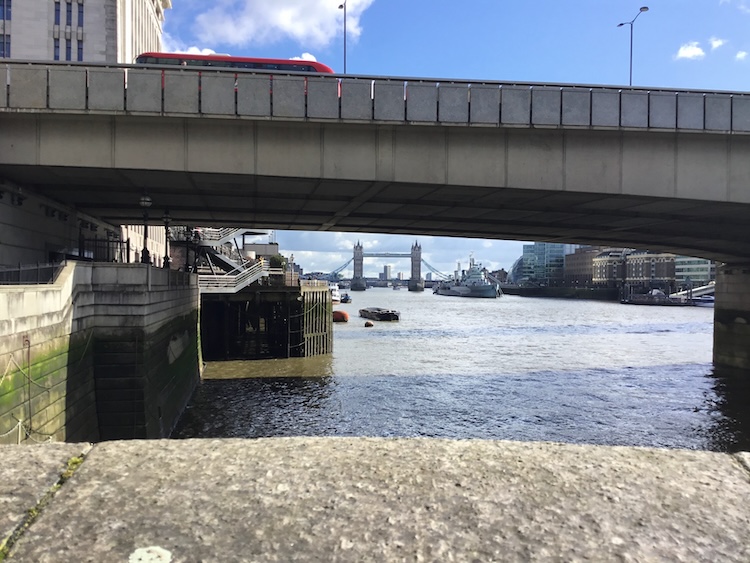
Walking along the River Thames was one of my favorite pastimes. But there was a risk assessment that I made every time I ambled along its banks. For long stretches, you are hemmed in by the river wall on one side and an expansive building on the other. I always kept aware of everyone who was in that space with me. And with every step, I mentally calculated if the closest escape was behind me or up ahead.

Although the Underground has its flaws, I marveled at how much less stressful London’s subway was compared to New York’s. The British passengers were generally more orderly than their NYC counterparts, and the chance of being rudely accosted by a panhandler was slim to none.

And labor strikes aside, to get from one region in England to another, the railway lines provided both efficiency and a pleasant experience.
When I was traveling from York to London in August of 2022, I got to the station nearly two hours before the 12:02 p.m. departure. However, I had somehow gotten it into my head that the train was scheduled to leave at 12:30. Imagine the sinking feeling I had, when I went to check the status board at 12:10, and learned that the train had already left.
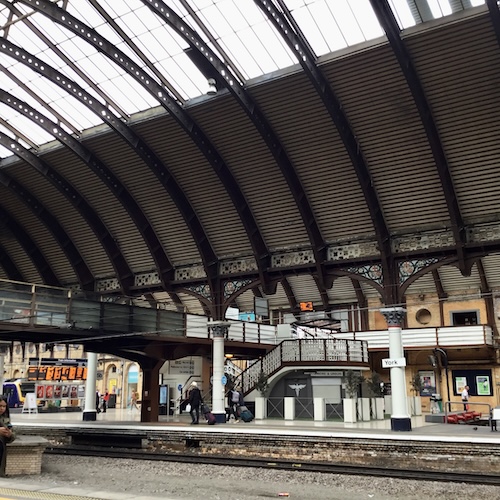
Frantic, I spotted a small office nearby, dashed in, and was relieved when the woman behind the counter accommodated me, booking me on the 12:33 LNER Azuma to King’s Cross.
The first stop on the route was Doncaster, the home of thoroughbred racing’s legendary St. Leger Stakes.
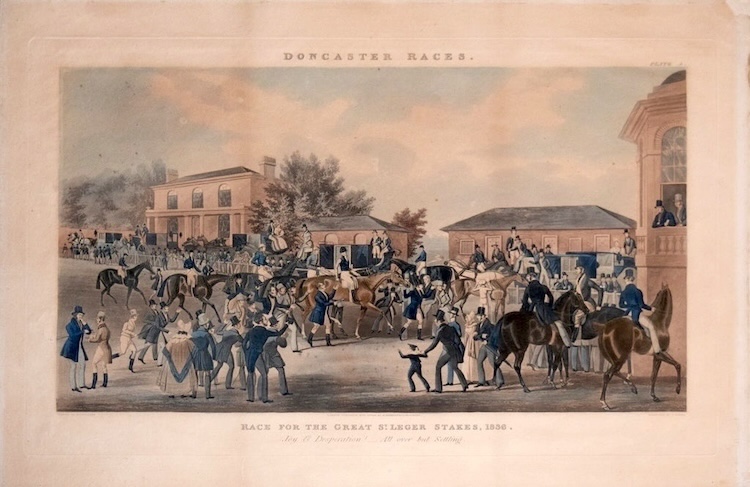
The thrill of the chase in 19th-century Doncaster is captured in Pollard’s imagery. It’s a far cry from today’s headlines, yet a reminder of how a place may pulse with unchanged energy.
Little did I know, that same train line, once a conduit for serendipity, would become synonymous with fear just three years later. It has been in the news recently, due to the unthinkable occurrence on November 1, 2025. The passengers who boarded that doomed train at Doncaster had their lives irrevocably altered about an hour into their journey, when a lone wolf, intent on mayhem, got on at Peterborough. As he traversed the coach cars inflicting chaos, the aisles became a gauntlet of peril.
Even the best precautions taken by a street-savvy New Yorker are useless against a merciless aggressor, when you are an unarmed civilian on a high-speed train. Keeping your back to the wall is not a viable strategy. And there is no way out.

Stories of resilience emerged amid the chaos. My heart goes out to all of the passengers and to the brave heroes who risked everything to save others.
Discover more from Roxane Gilbert
Subscribe to get the latest posts sent to your email.
 Roxane Gilbert