As an 18-year-old art student in New York, I began the process of learning to “see.” More than 30 years later, when I landed a contract as a designer with an architectural firm, I learned what it means to “look.”
Up until I was hired to be part of the team developing a multi-million-dollar entertainment resort in Tokyo, my design experience was limited to theme-party planning and special events. My role on this new job was multifaceted, including everything from designing costumes and public spaces to event planning to scripting what the visitors would experience at an array of venues.
I was one of three art directors, and we were all new to architecture. My expertise involved creating an aesthetically pleasing interior space, but I had never given any thought to designing a building. At the outset of the project, Paul, the creative director, took us on a walking tour of San Francisco. Although I had lived there, it wasn’t until that sharp-eyed architect showed me around that I grasped how much I had overlooked.
Paul had cultivated a Yoda-like mystique, and he was milking it that day. As we were making our way up Kearny Street, he suddenly stopped in front of a run-down shop. He extended his silence beyond a comfortable interim, and I stifled the urge to fidget. Finally, he spoke.
“Look! Tell me what you see,” he demanded.
“A glass door framed with drab-green painted wood,” I thought.
But then I looked down. Where the concrete sidewalk merged into the recessed entry of an ordinary-looking storefront, it was paved with black and green mosaic tile. Plate glass display windows were filled with a mundane array of merchandise, but the wall beneath the window was tiled with shiny dark green squares, edged with shiny black rectangles. When I looked up, I noticed an ornately molded, heavily patinated brass lamp hanging over the door, that would provide a warm, welcoming light in the evening.
How many times had I walked past this building when I worked in the Financial District, without ever noticing these details?
The reason I am explaining this is because years later, when I began to write, I thought about the experiential scripting I had done for that resort. My designs were better for having visited the city and observing those thoughtful details that are so easily missed. I could have written about Dartmoor or Exeter in A Moon Garden without ever going to those places, yet I knew that having experiential knowledge would enable me to write with more immediacy.
A challenge particular to doing background research for historical (or futuristic) fiction is the author’s inability to time travel. But for Dartmoor, it doesn’t matter. Time is extraneous when you are standing on the rolling green hills of the moor enshrouded in a heavy mist.

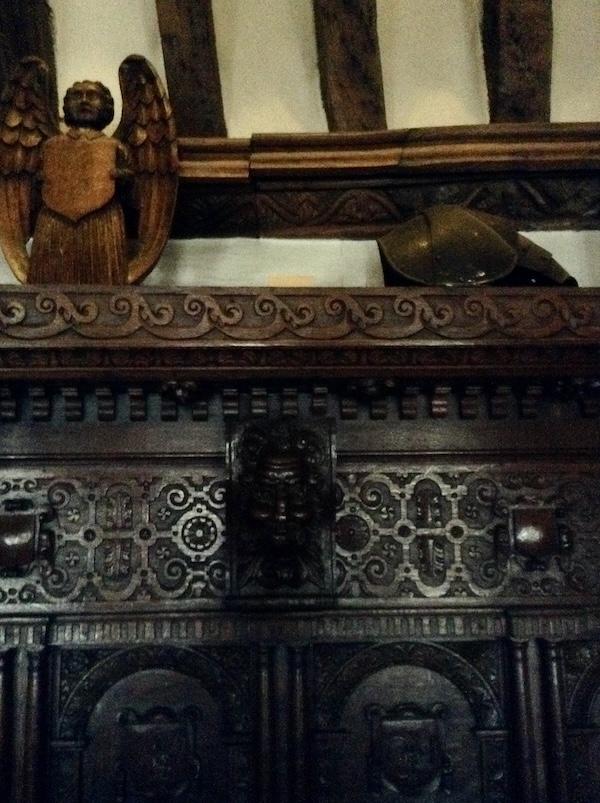
As for Exeter, it is a city where you can seek out a bit of history and have it come alive. I visited Tuckers Hall on Fore Street, which was built for the Incorporation of Weavers, Fullers, and Shearmen in 1471 and is still the Guild’s home.
When I began writing my next novel, I visited England and France, to scout locations where my fictional characters might have gone. But my attention was diverted by the portrait of an obscure 18th-century British Army officer that I saw in London while on that trip. The mystery surrounding missing records of his service, and the suspicious circumstances clouding accounts of his death, prompted me to switch gears and delve into an exhaustive fact-finding expedition to reclaim the truth. As I uncovered the startling answers, I knew I had to write his biography.
My first draft was marred by an academic tone, and my linear narrative had utterly failed to capture the compelling spirit of the man. Despite having walked in his footsteps through the streets of London, my experiential research had done little to enhance the storytelling.
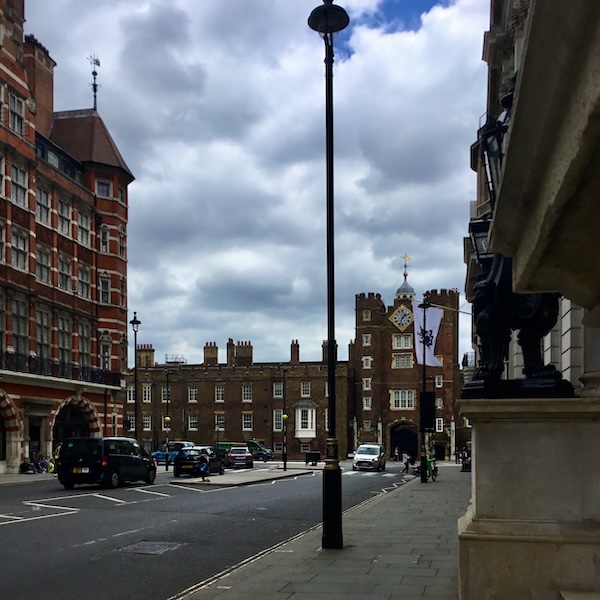
I decided to go to London again, to review some additional military records at the National Archives.
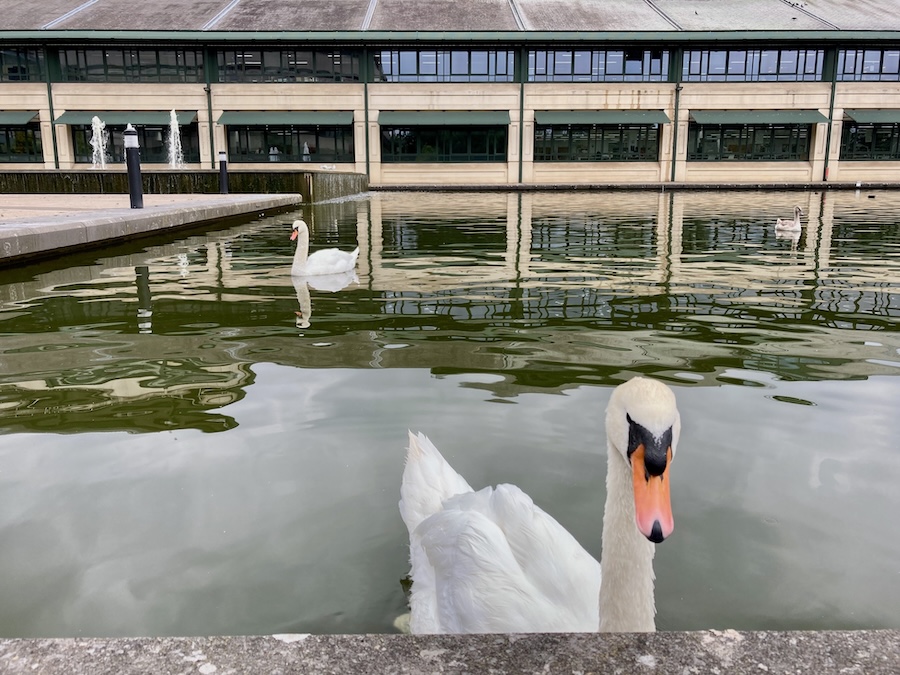
After a week in London, I would spend a month in York. The soldier whose life I was documenting had never lived there, but he had land holdings in Yorkshire and was known to have visited that ancient city on several occasions. While I was there, I planned to do some heavy editing on my manuscript, but I also hoped that York would provide me with a glimpse of another side of the man.
In August of 1789, George, Prince of Wales, went to York to receive an honor from the Lord Mayor on behalf of the citizenry. The officer I had written about was in the entourage of Prince George and had accompanied him on a procession from the Guildhall on the bank of the River Ouse to the Deanery at Minster Yard. My apartment was near York Minster and the Deanery, so one day I decided to trace the route of the procession, but in reverse.

Before I ever went to York, I had fallen in love with the place from the hundreds of photographs I had seen. But the pictures had not prepared me for the masses of tourists who crowd into the narrow streets on any summer day. Just stepping out of my apartment building on Goodramgate every morning thrust me into the center of a lumbering horde of sightseers. Perhaps it is an essential quirk of the psyche of many writers and artists that we embrace solitude. In any event, this sudden immersion into a crowd always unsettled me.
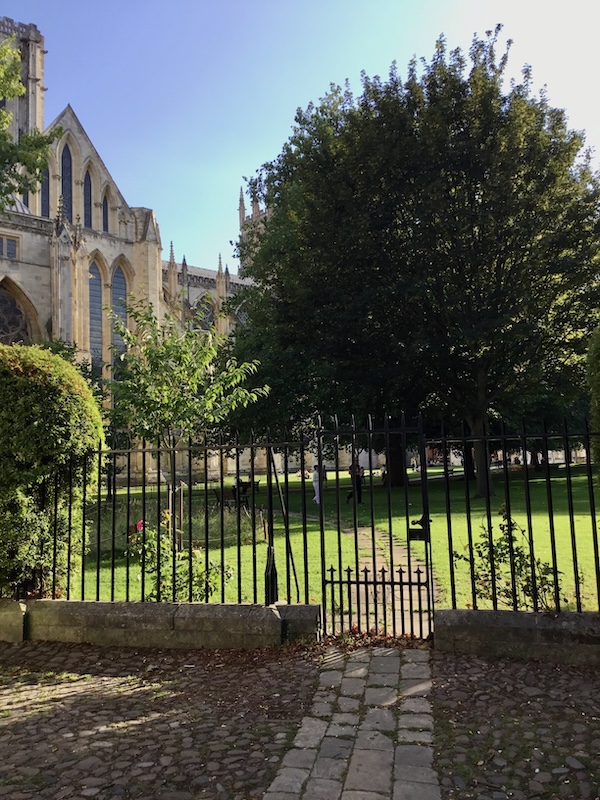
Fortunately, early in the course of my daily walks, I stumbled upon many delightful streets that were off the beaten track. And even Dean’s Park at York Minster, just minutes from where I was staying, maintained a sense of serenity, no matter how many people were milling about or occupying the benches.
Anyhow, that walk to the Guildhall took me through a commercial part of York that I hadn’t seen before. And I didn’t stop to take pictures, because I was focused on plowing through it. When I got close to the River Ouse, my GPS let me know that I was at the Guildhall. The problem was, I was standing in front of a red brick building with a minimalist concrete-and-glass second story, emblazoned with embedded letters spelling out “revolution.” Apparently, this riverside bar was the occupant of the renovated Yorkshire Herald building behind 13-17 Coney Street.
But where was the Guildhall?
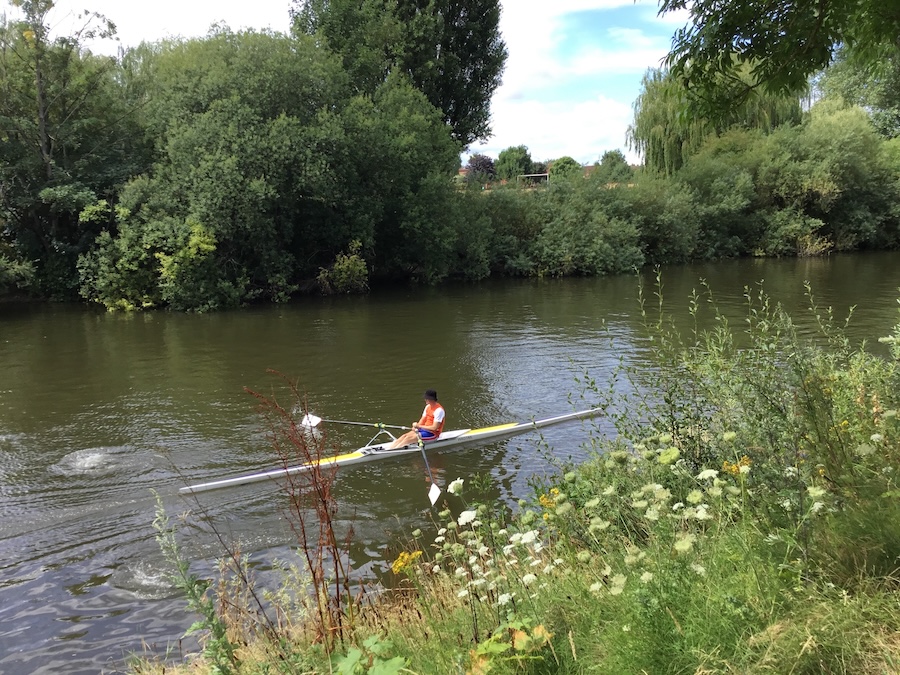
The next morning, I got the answer to my question. On my second day in York, I had discovered that the River Ouse was a great place to go for a leisurely stroll and to commune with nature. I crossed the river on Lendal Bridge, walked a few feet along the bank, then stopped. There was the Guildhall.

It hadn’t occurred to me to find out if there was a way to get to it from Coney Street. I learned later that even during the time of the Prince of Wales, the Guildhall was hidden from the road by the Lord Mayor’s Mansion. The ceremonial procession would have begun in a narrow passage called Guildhall Lane. I’m just going to blame the GPS for my wrong turn and failure to find it, but I will own up to my lack of tenacity!
In retrospect, I’m amazed by all of the things that I didn’t do during those 30 days in York. It’s true that I was busy editing my book. After struggling to iron out the big wrinkles, I concluded that the story needed a completely different approach. Maybe I’m not cut out to be a biographer, but I’m a pretty good historical fiction writer. When I returned to the States, I took a pause for a few weeks, then I rewrote the tale as a biographical novel. And I think I did the soldier justice.
As for York, a question was posted recently on a social media feed that I follow: “What are 3 must-visit places in York for a first-time visitor?” It could be that I’m an odd duck, because I was surprised that not one person who replied had put the River Ouse on their list. I’m not saying it would be at the top of mine, but I kind of think it would have been tied for first.
Many of the popular spots among the top-three picks were things that didn’t interest me. However, I do have one regret. Even though I went to Dean’s Park nearly every day and gazed admiringly at York Minster, I never entered that magnificent cathedral. If I ever return to York, that’s the first thing I would like to do.

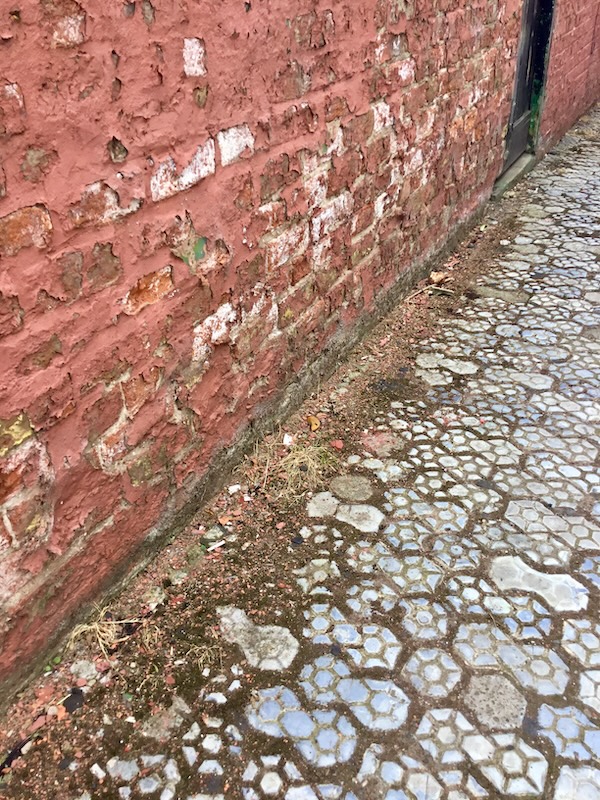
Even without making the rounds of the top attractions, my 30 days in York were filled with “aha” moments. I’m grateful to Paul for the valuable lesson he taught me about looking. Thanks to him, I discovered a deeper richness in the bricks, cobblestones, gargoyles, spires, and embellishments that some craftsmen deliberately added to walls, windows, floors, pavements, ceilings, and roofs without ostentation, grandiosity, or pretense, and without any attempt to inspire awe.
Discover more from Roxane Gilbert
Subscribe to get the latest posts sent to your email.
 Roxane Gilbert